In 2026, the government amended the Species Protection Ordinance three times. First, the rules regarding the prohibition on disturbing wild birds were reworded. Then, new rules were introduced in connection with the EU’s renewable energy initiative. And starting in November, new rules will take effect regarding which species are nationally protected in Sweden.
Here, we’ll go over what these three changes mean.
The ban on disturbing birds has been revised
As of May 1, 2026, a new wording of the prohibition against disturbing wild birds has been in effect. The change was made to better align the Swedish text with the EU Birds Directive. In practice, the new wording has not made any difference so far. The Land and Environment Court of Appeal has interpreted the disturbance ban in the same way as before in cases decided after the change.
Deadlines and Simplified Exemptions for Renewable Energy
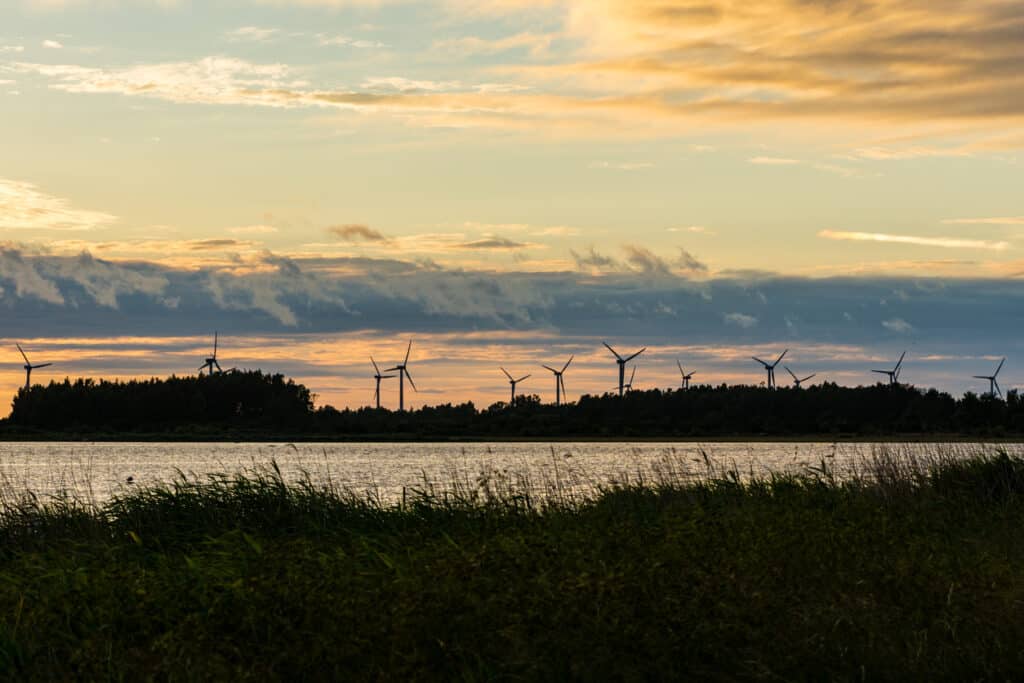
As of July 1, 2026, new provisions have taken effect in the Species Protection Ordinance. These provisions implement EU rules designed to make it easier to expand renewable energy. Three changes are of particular significance for anyone planning a facility.
- Deadlines have been set for the review process.
Cases involving renewable energy must be decided within a specified time frame, and there are also deadlines for certain steps in the review process. - One of the requirements for an exemption will be easier to meet.
As a general rule, a renewable energy activity or measure must be deemed necessary for reasons of public health or safety, or for other compelling reasons that serve a substantial public interest. - The definition of “intentional” is clarified.
An amendment clarifies what constitutes the intentional killing or disturbance of wild birds and animals. The intent is to facilitate measures and activities related to renewable energy. If the operator has taken the necessary protective measures to prevent killing or disturbance, it shall not be considered intentional.
However, it is not clear what constitutes a necessary protective measure. It is up to experts to assess whether a protective measure is effective.
The protection status is more closely linked to the Red List
Starting November 1, 2026, new rules will apply regarding which species are nationally protected in Sweden and what is prohibited. Protection is now more closely linked to the Red List—that is, the list of species at risk of extinction. The level of protection afforded to a species depends on the extent of its need for protection.
Exceptions to the prohibitions are specified in the text of the law, and they vary depending on the species’ level of protection. For example, species with enhanced protection are subject only to the exception for existing land use, while strictly protected species are not subject to any exceptions at all.
Facts about the changes.The Species Protection Ordinance (2007:845) was amended three times in 2026, through SFS 2026:230, SFS 2026:1049, and SFS 2026:1504.
Learn more about the new rules for nationally protected species and about the screening of nationally protected species
Contact us for more information
Would you like to know what these changes mean for a specific area of your business or project? Josefin Ohlson, an environmental lawyer at Ecogain, can tell you more about how these changes apply to your business.