On November 1, 2026, new regulations for nationally protected species will take effect. The list of species will be shorter, but its scope will change. This means that activities and projects that were not previously affected may now be affected—even if permits have already been granted or planning is well underway. The decisive factor is not the length of the list, but rather which species may be present in the area and how they are affected.
What is changing is the national protection status—that is, the Swedish list of protected species and the prohibitions associated with it. The EU’s species protection regulations, area protection, Natura 2000, and the general rules of due consideration under the Environmental Code remain in effect just as before.
A shorter list of nationally protected species, but new species are being added
Protection must be tailored to the species’ actual needs, without unnecessarily hindering forestry or other ongoing land use. The list includes species that have not previously been nationally protected, particularly insects, lichens, and fungi. The species are divided into four levels, with a primary distinction between strict protection for critically endangered species, enhanced protection for highly endangered species and species that Sweden protects through international commitments, as well as basic and limited protection.
How does this change affect different industries?
How a business is affected depends not primarily on the industry, but on the specific measure to be implemented, the species involved, and their level of protection. It also matters whether the measure fits within existing land use or involves using land for a new purpose.
Exceptions to the prohibitions have been established. One of them applies to ongoing land use if, in a specific case, the prohibitions would significantly impede that land use. Agriculture and forestry are typical examples of ongoing land use, but the assessment is based on the specific activity in question. The exception does not apply to strictly protected species.
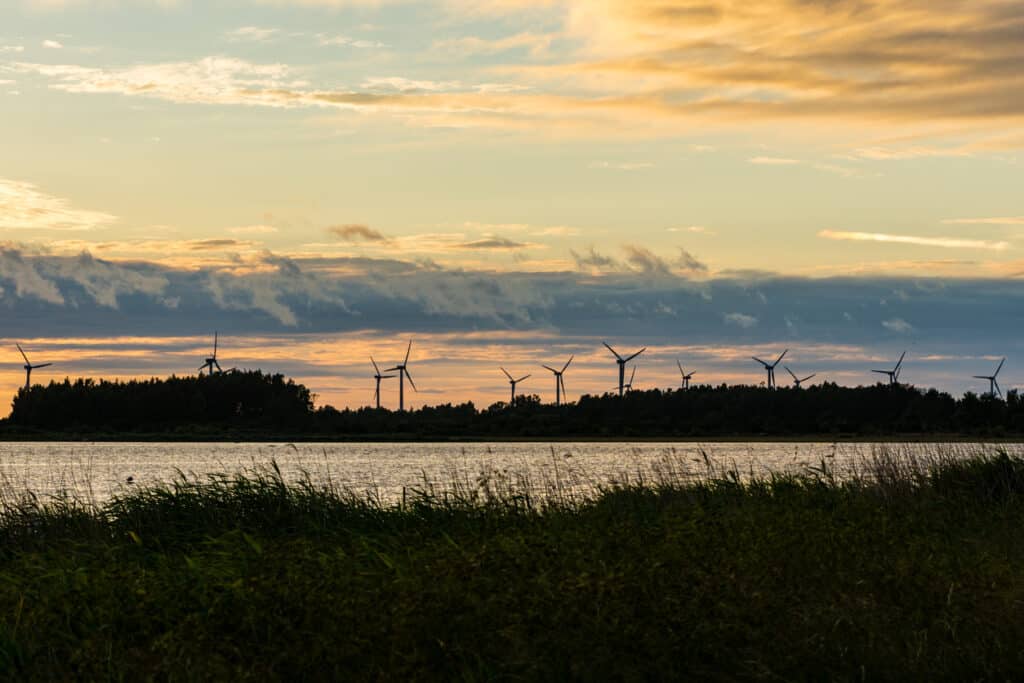
Building a wind farm is an example of a change in land use. The same may apply to a mine or other activities that require new land. In such cases, you’ll need information about which species may be present and how they might be affected.
For hydropower, the new protections for eels may be of particular significance. Eels are granted strict protection against, among other things, being killed or disturbed, and against damage to their spawning grounds and resting areas. The exception for ongoing land use therefore does not apply. Hydropower projects that are to be reviewed or reevaluated may need to apply for a species protection exemption if the activity affects eels in a way covered by the prohibitions. This issue may also arise during reevaluations under the national plan for modern environmental conditions.
Long power line and infrastructure routes pass through many different natural environments. This increases the likelihood that some part of the route will affect a newly protected species. Such an occurrence may need to be investigated more closely and, in some cases, may require a waiver, depending on the species’ protection status and how the project affects it.
Three Typical Cases: How the Permit Status Determines Which Rules Apply
The rules will take effect on November 1, 2026. The stage of the permitting process a project is in determines how the rules will be applied and when an exemption may be required.
A permit has been granted, but operations have not yet begun when the rules take effect. The new rules take effect on November 1, 2026, and there is no transition period. If a ban is imposed, an exemption may be required immediately.
The activity is already underway when the rules take effect. Here, too, the new rules apply as of November 1, 2026, but the activity may continue for one more year, until October 31, 2027, without an exemption. If the activity affects a protected species in a manner covered by the prohibitions, an exemption may be required thereafter. Anyone who applies for an exemption before November 1, 2027, may continue the operation while the application is under final review, unless the reviewing authority decides otherwise. The practical deadline, therefore, is to submit the application in time, not to receive a decision in time.
The permit case has been initiated but not yet decided. A case that began before November 1, 2026, and is decided after that date will be reviewed under the new rules only in those respects where the new rules are no stricter than the old ones. The transitional rule applies to a specific list of case types, including applications filed with the Land and Environment Court, environmentally hazardous activities, land drainage, and network concessions for power lines.
Start on time—the field season can't be rescheduled
Field data on species can only be collected when the species can be found and identified. This means that the species’ season dictates the schedule, not the project’s timeline. For many species groups, the field season falls sometime between March and November, and for several of the new species, this window is short.
The steps also follow a sequence. First, you need to know which species may be present; then, you need to collect data during the appropriate season. Only then can you assess how the regulations might affect your business.
The biggest risk is rarely the cost of finding out what the situation is. It is that the need for a survey is not identified until after the appropriate field season has already passed, causing the project to be delayed by up to a year.
Here's how to find out if your business is affected
The initial question is clearly defined: Could there be species within our area that are affected by the changes? A screening of nationally protected species provides a well-founded assessment of this question. It is a desk study based on known species records and the area’s conditions, which Ecogain’s species conservation experts compile into a brief memorandum. The deliverable consists of an assessment of the likelihood of species occurrence, the need for further surveys, and a preliminary assessment of whether the issue of an exemption may be relevant.
The fixed price is 20,000 kronor per business or project area. This price applies to both small and large project areas. A screening typically takes about ten business days.
If the screening shows that the area has no known occurrences and is assessed to have low potential for the species in question, the memorandum can be used as a basis for further assessment and dialogue with the authorities. If risk cannot be ruled out, the memorandum specifies which surveys or further investigations may be needed.
Learn more about the screening of nationally protected species.
Facts about the amendment. The amendments to the Species Protection Ordinance were adopted in July 2026 ( SFS 2026:1504) and will take effect on November 1, 2026. The EU’s species protection regulations remain unchanged.
Would you like this question answered for a specific area of operations or project?